
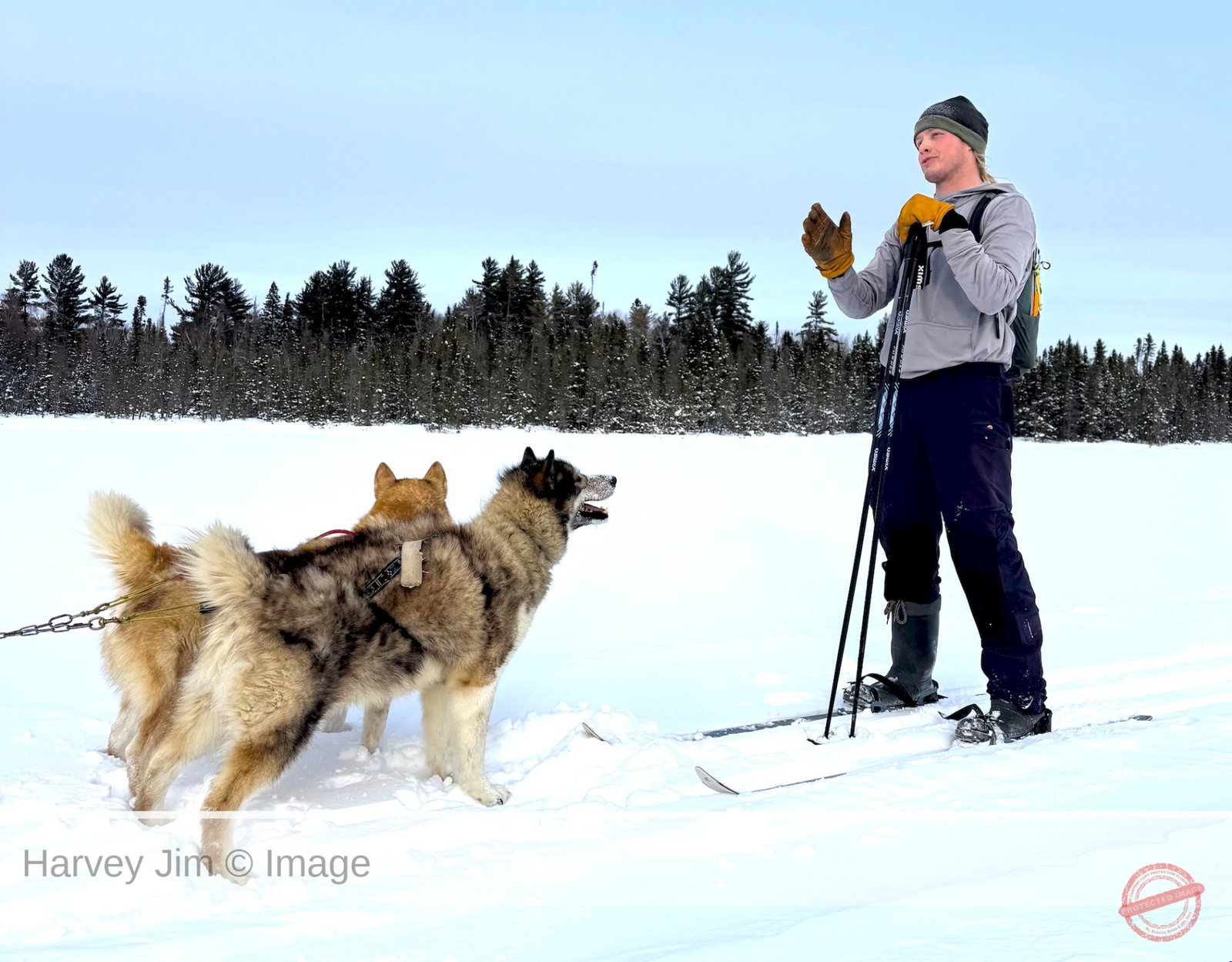
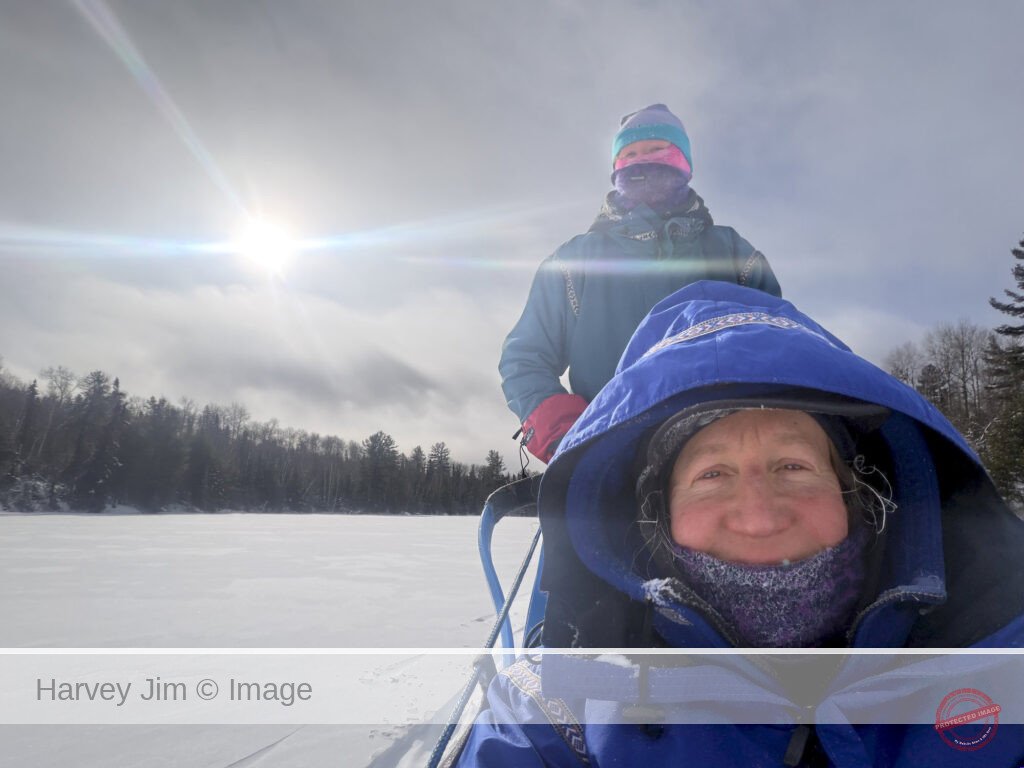
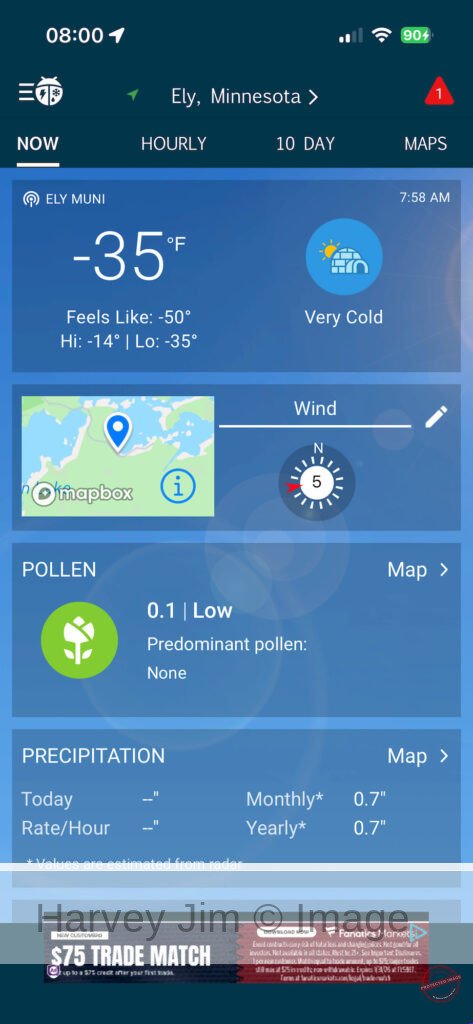
I was bitten by the dog-sledding bug more than a decade ago, but never ever, in my wildest imagination did I think I would be sledding and camping at temperatures well below zero (F and C) for multiple days. That is, however, exactly where and how the Chosen Frozen found themselves in January 2026, just outside Ely, Minnesota. The high temperature encountered the entire time we were there was 3F/-16.1C. I had never been in temperatures below zero overnight, so this was as different for me as the Planet Arrakis (for Dune fans).
The Crew
We were on an “advanced expeditioning” trip with Wintergreen Dog Sledding Lodge. Wintergreen is owned by Paul Schurke who co-led a completely unsupported dogsled trip to the North Pole with Will Steger. Paul was with us on most of the trip and his stories made our circumstances sound like a walk in the park on a sunny day. Paul also officially anointed us as the Chosen Frozen.
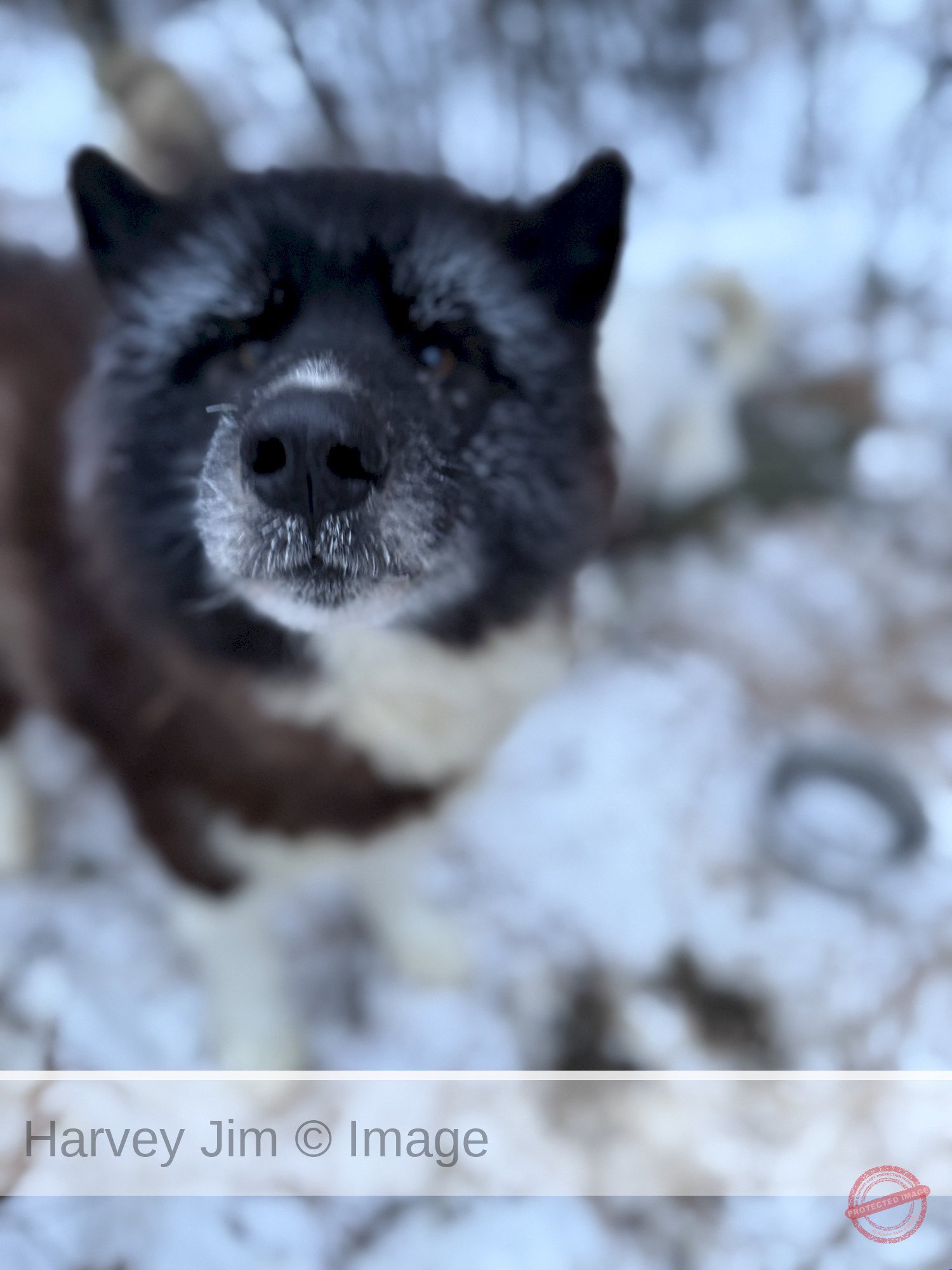
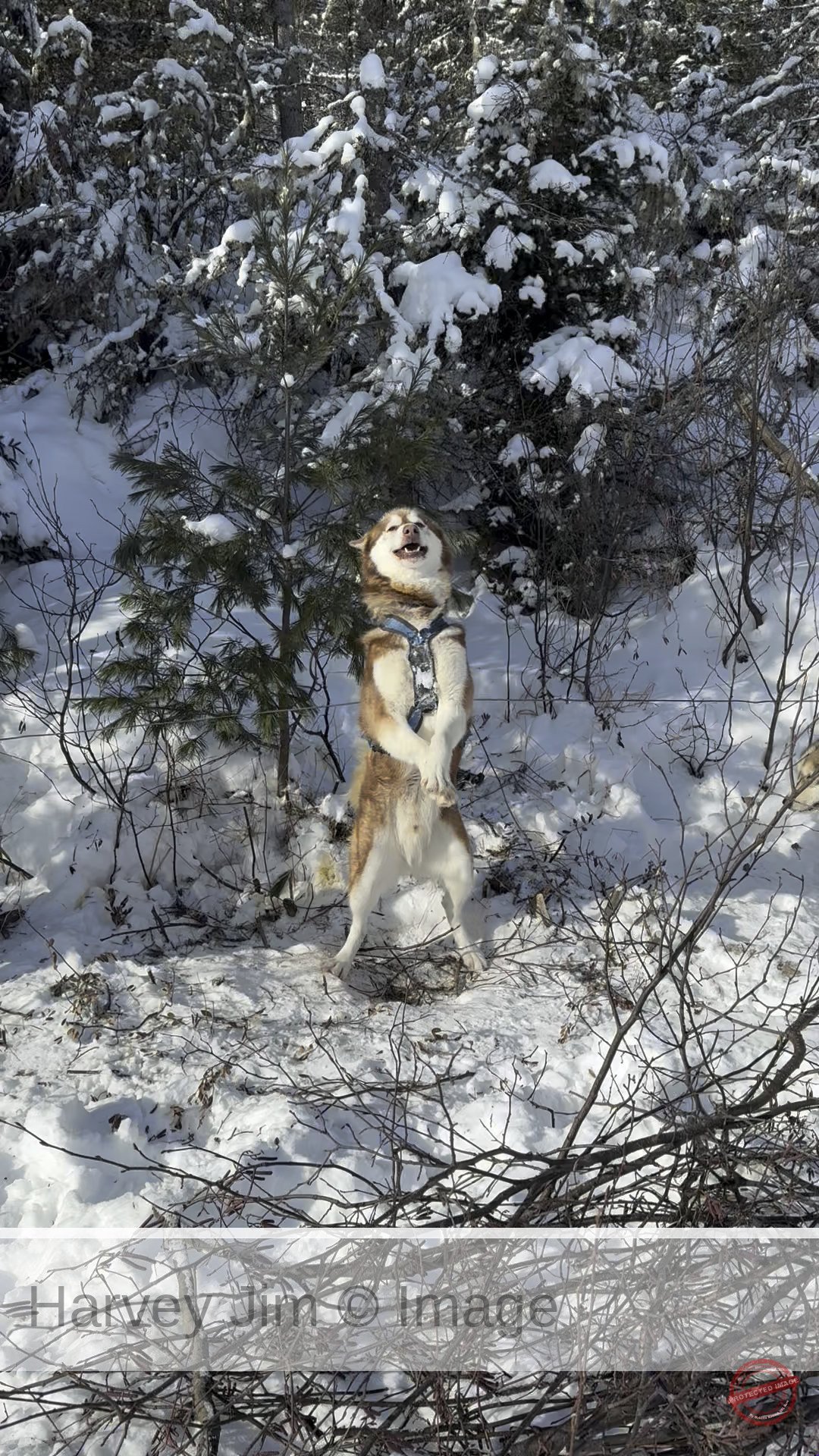
As is always the case when dog sledding, the stars of the show were the dogs! Unlike my previous sledding adventures that featured Siberian Huskies, these dogs were Greenland/Canadian Inuits (similar to, but not to be confused with Malamutes). They are bigger and stronger than the Siberians, but not as fast. Their strength is amazing and, as is the case with every sledding dog I’ve met, they were completely sweet, ready to run and often persnickety eaters. These guys are as personable and lovable as any domestic dog, but they are comfortable in extremely cold weather and they live to pull sleds and run all day long. My favorite was Ginger who was as lovable as they come, never strayed far from camp (and was accordingly allowed to roam on her own) and was seen in a New York Times article that featured Wintergreen just after our trip.
There were six hearty guests and, depending on the day, two or three guides. Among the guests, we had a mother (Nancy) and 17 year old daughter (Talula) who drove to Ely, MN from Buffalo, NY (wow, in and of itself, wow), a practicing lawyer and veteran of many of these trips from Milwaukee (James), and a woman from outside Chicago (DeAnne) who had never been camping before (wow, in and of itself, wow) and a Californian (John) who was on the rowing team at Yale and later on the team that was the first (and only) to row across the Drake Passage. So, we had it all – complete (but enthusiastic) novices, adventurers, retired and practicing lawyers and a mom and daughter.
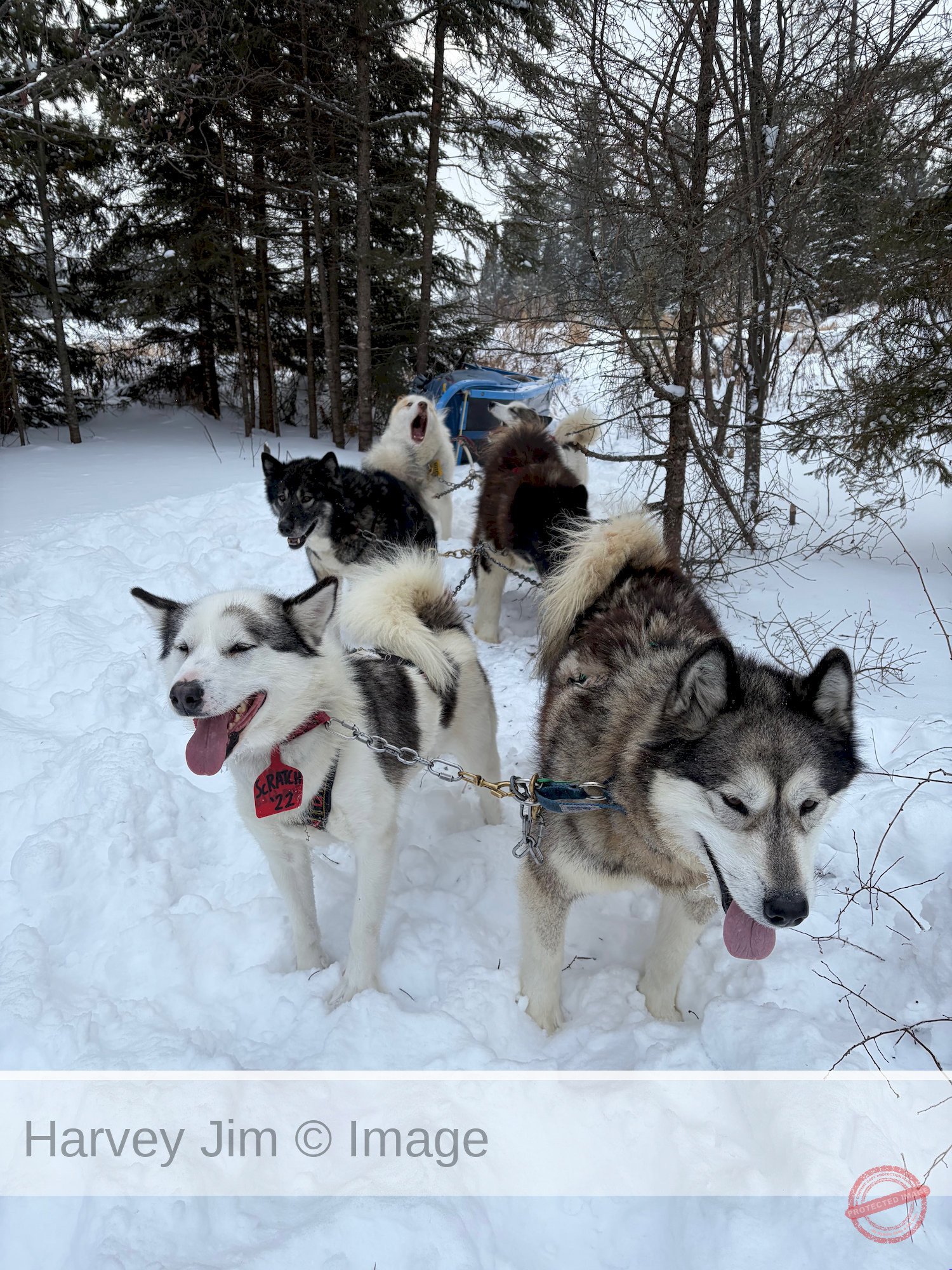
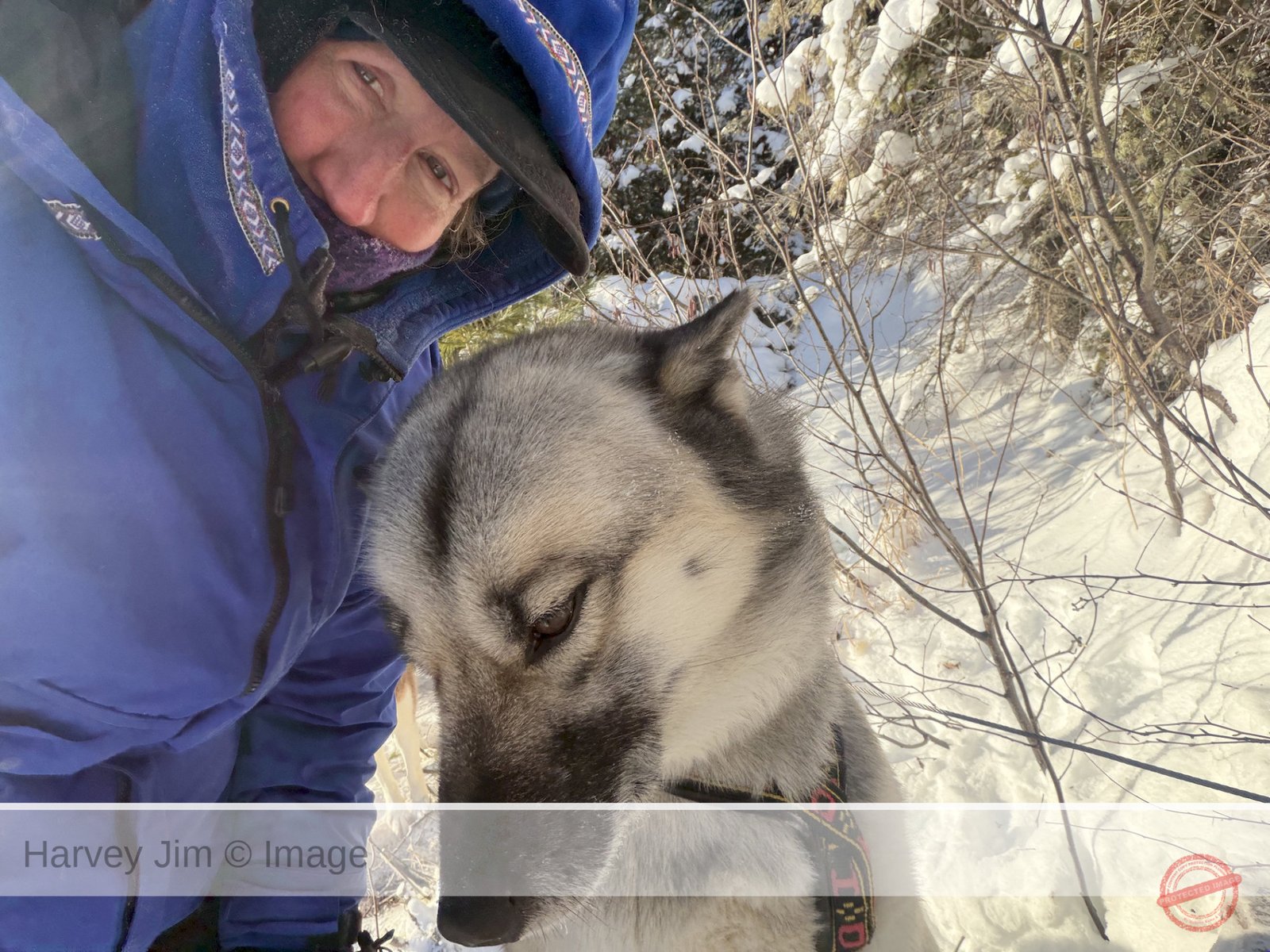
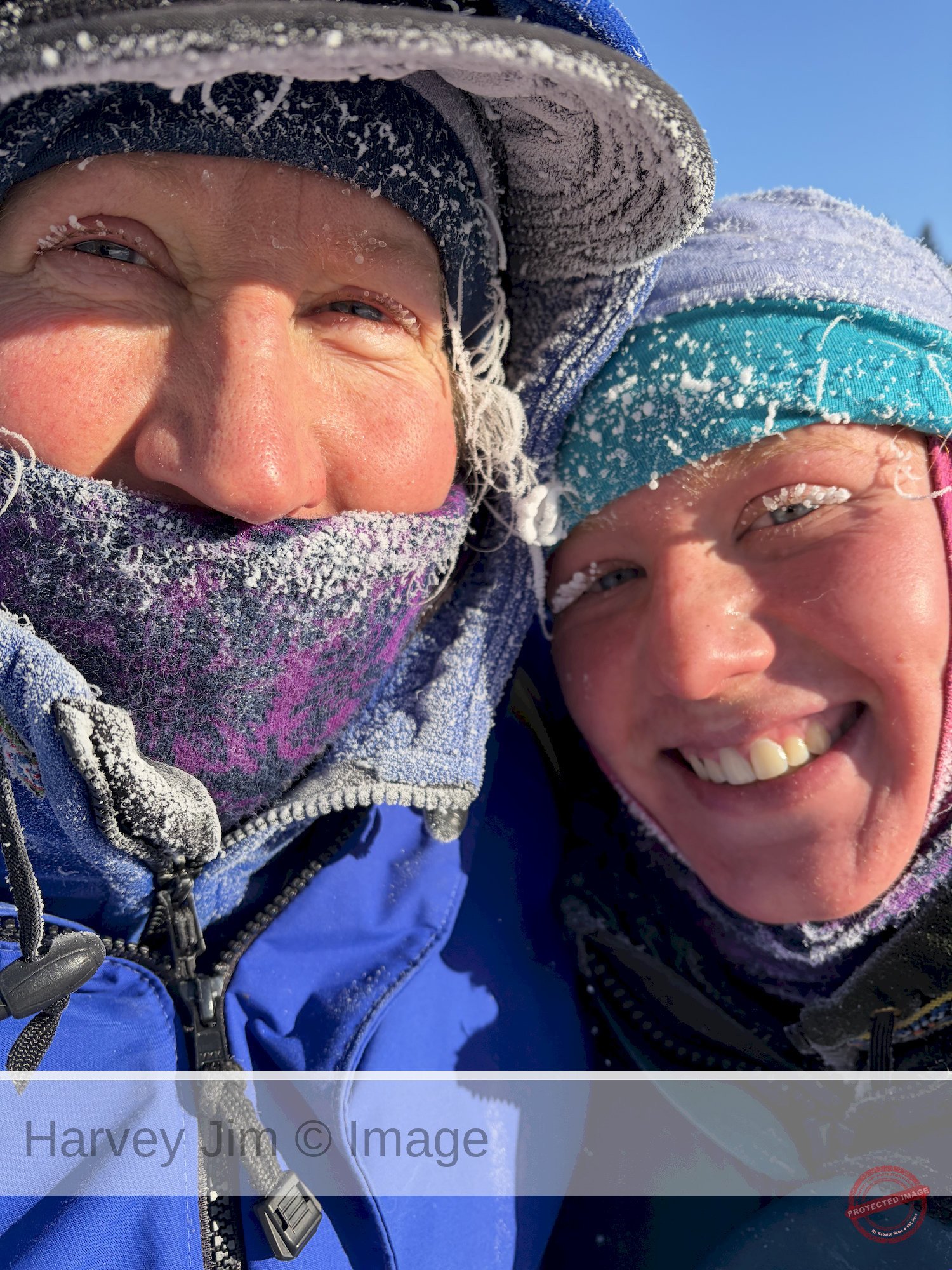
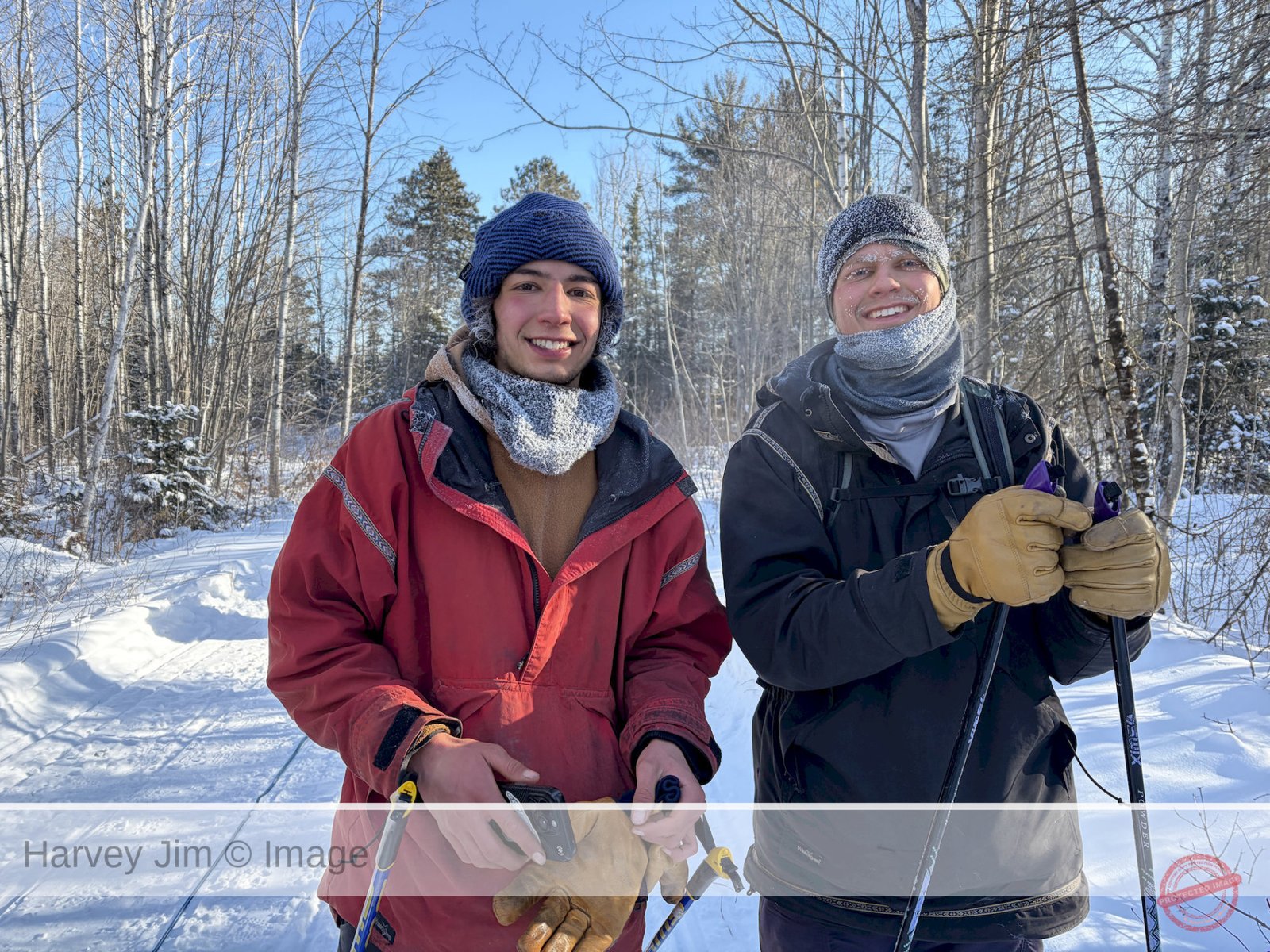
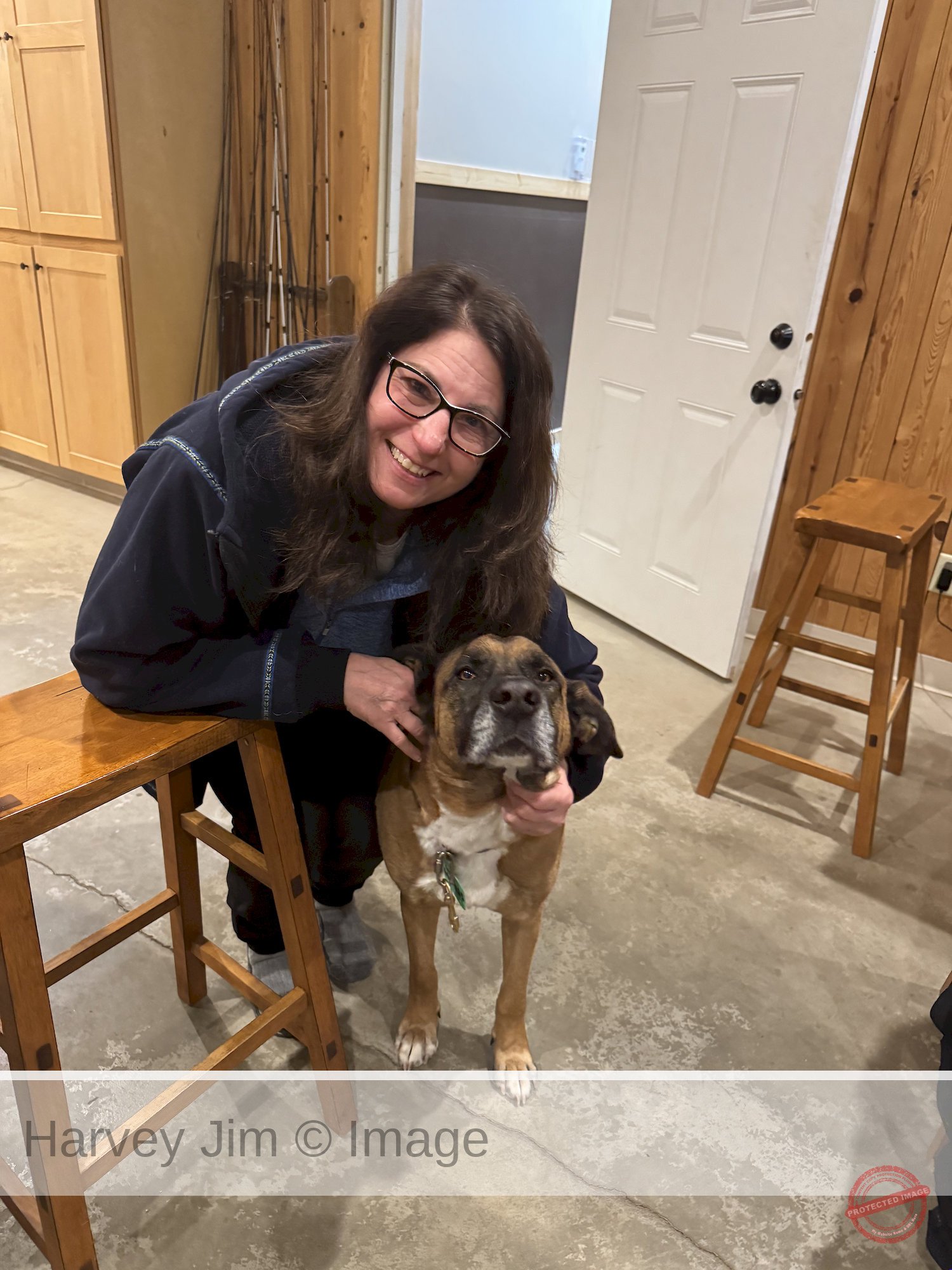
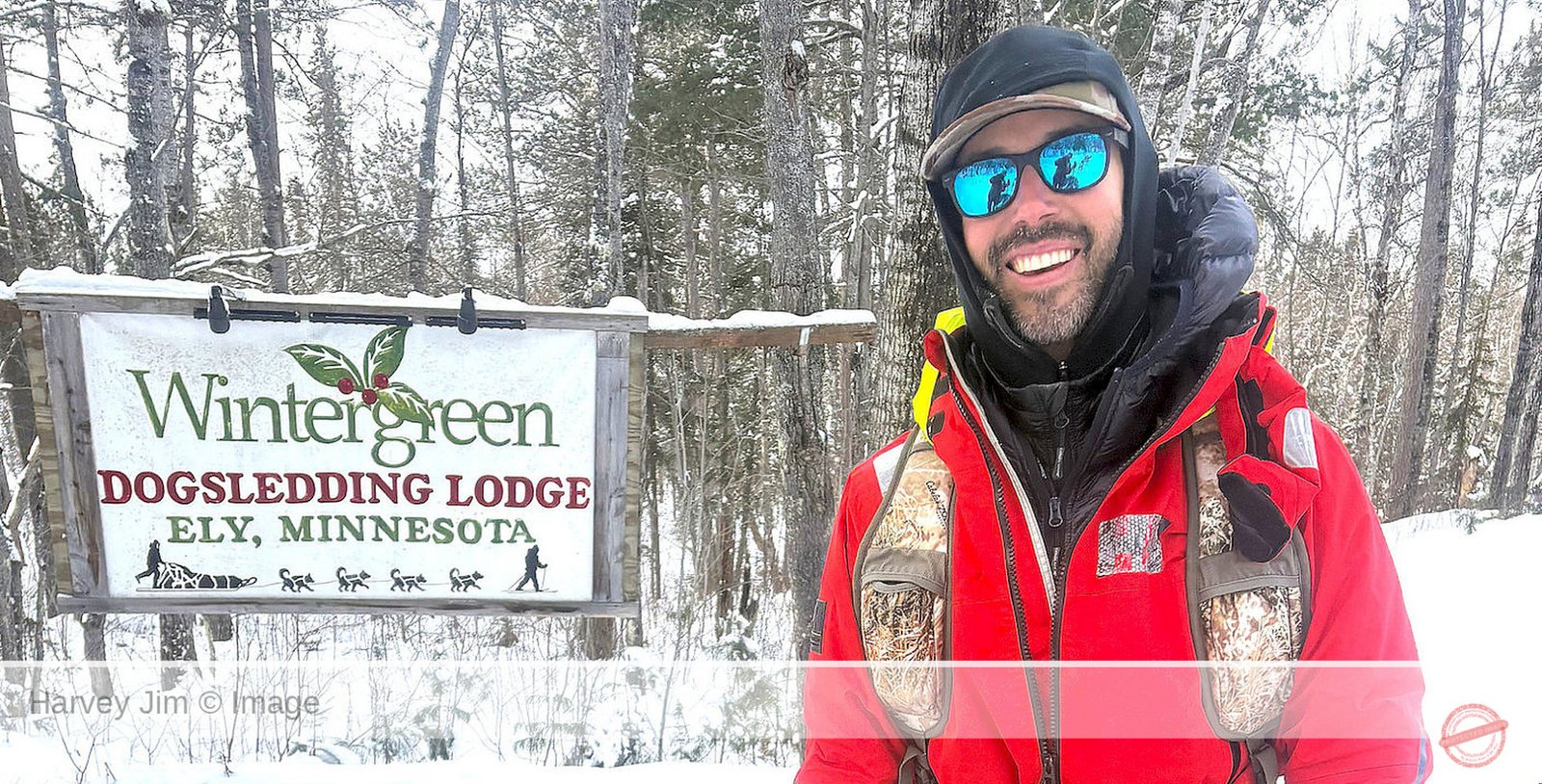
Our individual strengths (and weaknesses) quickly became clear. James (the working lawyer) was a man of quite few words, but many expert deeds – he said hardly anything but executed at guide level on everything. DeAnne, the first-time camper, was just wonderful. She always had a good attitude and never, to my hearing of it, uttered, “WTF was I thinking?!?!”. I’m not sure that DeAnne ever quite agreed with me that the dogs don’t pay much attention to “Gee” and “Haw” (I think professional dog sledders made that up just so they can count how many times per day silly guests say something useless in hopes of influencing the lead dog). Nonetheless, we had a great, and brutally hard and cold, day sledding together.
Nancy and Talula (mother and daughter who drove from Buffalo) were constant positive energy. Talula may not have appreciated Nancy’s subtle motherly acts to protect, encourage and enhance Talula’s experience, but it was clear to, and appreciated by, those of us with a trained parental eye. How many mothers and daughters can say they drove halfway across the country to go dog sledding and winter camping at temps well below 0, for heavens sake? That may be the topper of all family stories for the rest of Talula’s multiple decades to come. And then there was John, the handsome dude on the Yale rowing team, six foot or more in height with all of his hair and I suspect he’s one of those guys that never even had acne … dammit. Despite his considerable good looks and formidable physical strengths that made me pre-disposed to not like him, I did like him very much. He had a great attitude, worked like a demon from morning till night and was an extremely positive addition to the trip. He did forget his head lamp though, so he was indeed not perfect, and I was able to gain a short bald guy’s leg up by loaning him my spare.
And then there were our trusty leaders, Henry and Kyle. Henry works in the kennel year-round, so he knows each and every trait of each dog, all the way down to who gets along with whom, who willingly eats and who doesn’t, etc, et al. Henry was also a backwoods wool fashionista (yes, I noticed), with an outstanding collection of wool and outdoor garments that I hope to inherit someday. Kyle was so unerringly happy and positive (even though we were all scared sh*tl*$$ and freezing) and just didn’t seem to get phased or off of his constant clear steady note. They were both pros and could correct the dumbest of mistakes without making one (well … me) feel as if it was actually the dumbest of mistakes.
The Sleeping and the Sledding
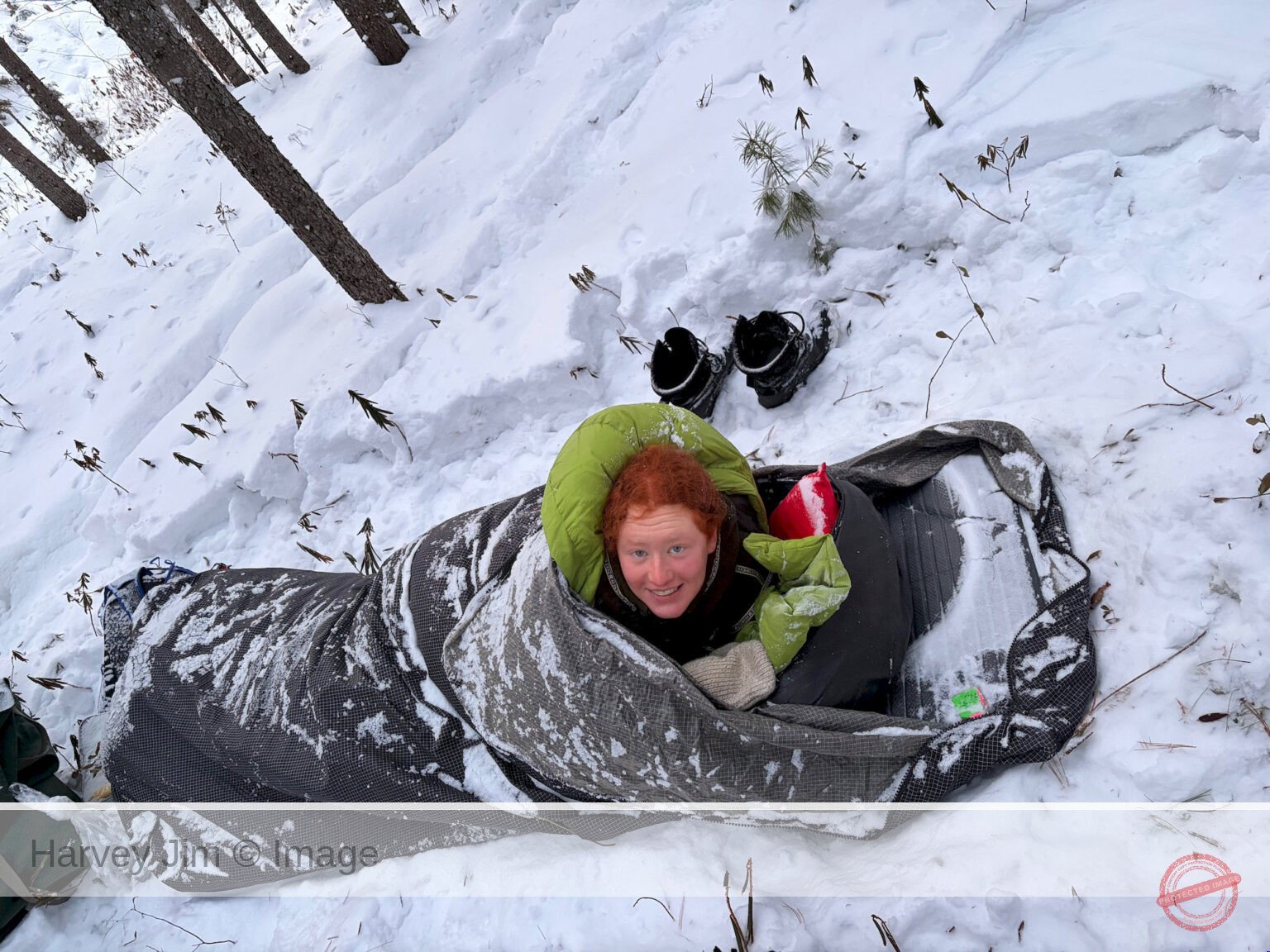
For me, this trip was intended to serve as a dog sledding hootenanny and a warmup for my then upcoming camping / photography trip to Norway. I could try out my clothing / tent / sleep system in cold weather with professional support, before venturing into the Norwegian mountains in the winter with my friend, Klaus (with no guides or outfitters). The first gear surprise was that Wintergreen uses a bivy sleep system, not a tent. One simply places sleeping pads and bags inside a bivy (a waterproof, but breathable outer layer) and then the bivy-sleep package travels inside the sled without being rolled up (which is quite convenient).
The bivy worked perfectly for sleep purposes, but provides zero respite from the elements other than when you are inside. I found it fine if it was not snowing, but getting in and out of the bivy and in and out of your clothes completely exposed to the wind and the cold is brutal. It snowed about 1”/2.5cm one night and, while I found the snow falling on the exposed part of my face a nuisance, I still slept amazingly well. In comparison to a bivy, one does have to carry a tent, and set it up / take it down and pack it away and configure it correctly to avoid condensation (which crystallizes into ice on the inside of the tent at these temperatures). While bivys make sense for a large group of mixed experience, I would still rather be in a tent. The bivy was, however, valuable proof of concept for shelter in emergency circumstances.
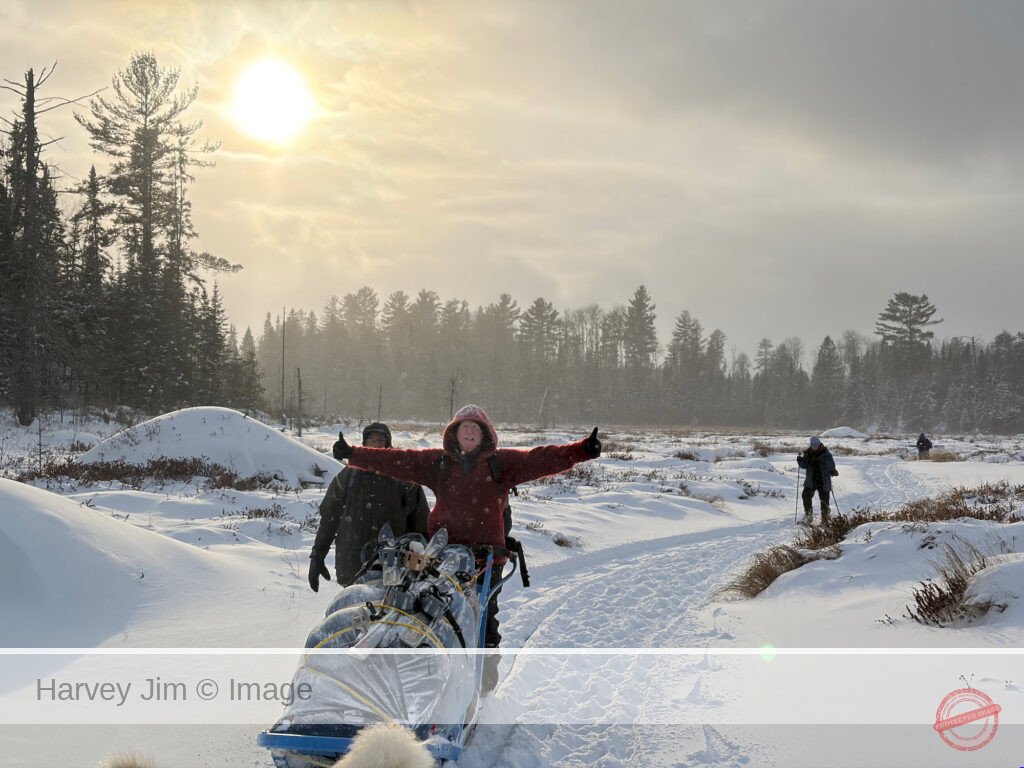
We traveled two persons to a sled, with a couple guests and guides on cross country skis. I had never been on cross country skis so was thankfully shielded from that duty. Having two folks on a sled though was new for me and, while my sled mates were lovely, I would still prefer to drive the sled on my own. There’s more room for the work that is dog-sledding and more control over the sled and the dogs. Since this was “advanced expeditioning”, the trails were not well trodden, with lots of twists and turns and required unstickment of sleds stuck on trees, rocks and whatever else. We dumped the sleds (including gloves and everything that wasn’t well attached) multiple times a day. It was, literally … tough sledding.
The Cold
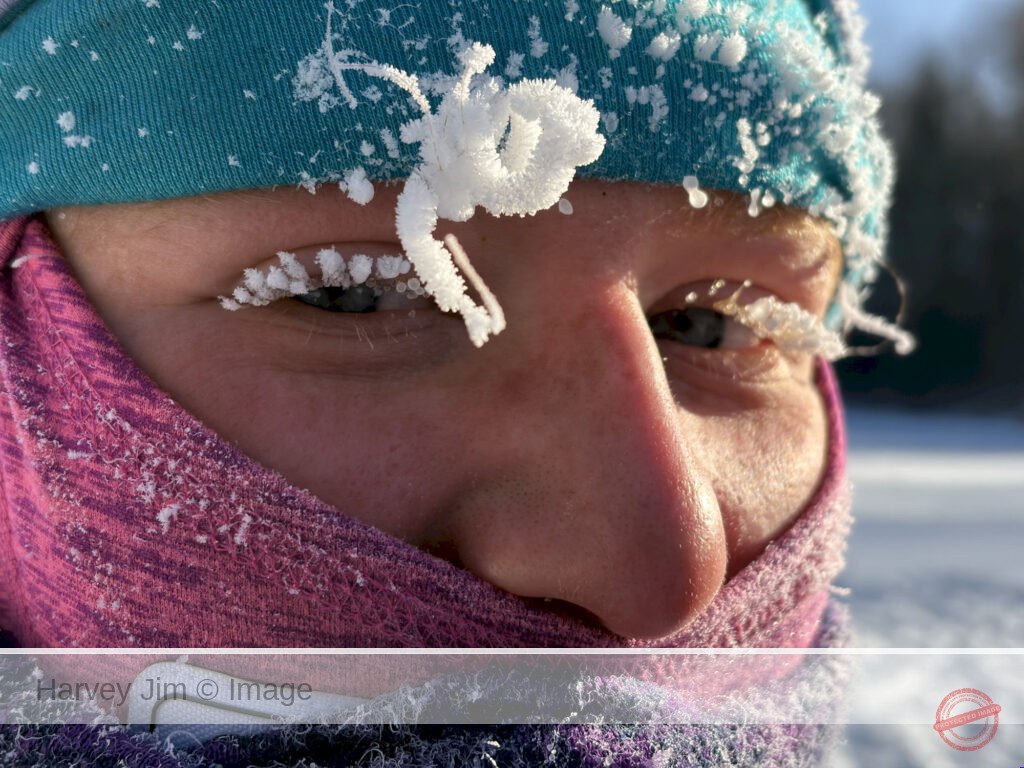
Then there was the cold. James, the lawyer from Milwaukee who had been on many of these trips, explained that it had gotten this cold for short periods before, but did not stay cold for an extended number of days. According to Weather Underground, the highs and lows were 3/-6, -8/-17, 3/-17, -1/-8, -8/-27 and, wait for it … -13/-35. Those are all Fahrenheit and all without the windchill (and the wind really blew the last two days we were there). In Celsius, those numbers are as follows: -16.1/-21.1, -22.2/-27.2, -16.1/-27.2, -18.3/-32.8 and, wait for it … -25/-37.2.
When it’s that cold, every detail is important and everything takes much more work and much more time than it does at normal temps. First, one has to deal with multiple layers of clothing and head wear, multiple layers of gloves and bulky socks and boots, all the time – from the time you get out of the sleeping bag until you get back in (not to mention the need to wear the right clothes in which to sleep). If you have to unzip a zipper (or any similar thing that requires fine finger movement), you have to do it either with gloves/mittens on, or take them off (without losing them). Of course, if you have to pee or poop (and everyone does, every day), that entails hanging one’s private parts and ass out in the cold and then doing all the normal bathroom stuff at temps that might literally freeze your privates off – very quickly. It was cold, damn cold.
Water inside an insulated water bottle freezes, pee in a pee bottle (my secret weapon for an aging prostate on camping trips) …. freezes, snow inside of gloves that aren’t properly dried out and ice cream, stays frozen solid. Phones and batteries of any sort are exhausted by the cold, so they have to be kept close to your body day and night (including in the sleeping bag). Anything that gets wet has to be dried, either by the fire (which we had every morning and night), by the frigid cold air (when it’s cold enough, the air is as dry as the desert), or in your sleeping bag while you are in it.
Of course, you can’t take a sopping wet wool shirt into a sleeping bag and have it dry or have the sleeping bag remain dry and doing so would be dangerous, but one can put a moderate amount of slightly damp stuff inside a sleeping bag and let it dry overnight via your body heat (e.g., damp sock and glove liners). This injects additional moisture into the bag, so that it might have to be dried out sooner to maintain its loft and insulating capacity. On the other hand, when it’s that cold, it’s quiet – wonderfully quiet, there is no humidity nor rain, food doesn’t go bad and there are no bugs. Add in fresh snow and a forest and an eager dog team and it is staggeringly beautiful.
Mistakes and an arcticly cold day ...
And then there are the mistakes. If you make one, it can range from an inconvenience to a fatality. Forgetting a balaclava or a key layer can make you colder than you would like. Leaving your boots out in the cold without spreading them open before you go to bed might mean that they are frozen solidly shut when you try to put them on in the morning (although putting on a stiffly frozen boot is not as miserable as it sounds). Losing a sleeping bag might be fatal (as I tempted in Norway).
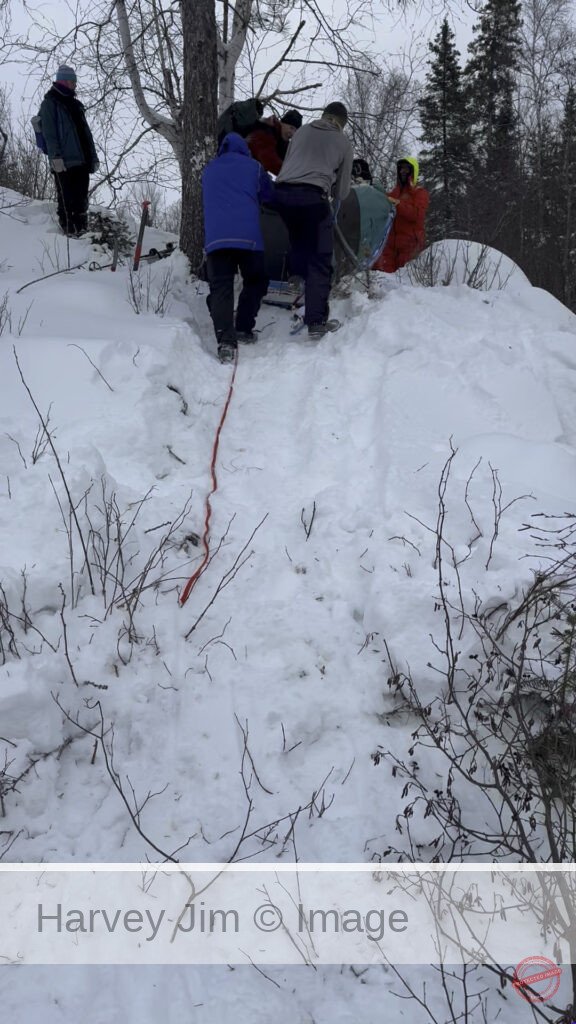
Thus, on that memorable day towards end of the trip, I put my big winter mitts on and they were stiff. Since I had never put on big winter mitts at 15 or 20 below Fahrenheit before, I thought that was just the way that leather mitts behave well below zero; I was wrong. DeAnne and I and the team slugged our way up and down a frozen launching pad (see the video, which doesn’t come within a mile of the actual insanity, style and difficulty rating of that particular maneuver) and across a couple frozen lakes to a stack of wood that had been energetically gathered and chopped by John and James. The snow was too deep and the wind too strong to bring that wood back with us. So, we headed back to camp with Henry and James leading the way – it was so grey and snowy and windblown though that we got a bit separated and had to hunt for the proper track (that we only missed by a football field or so). Maybe it wasn’t so dramatic for others, but that navigational bobble (brought about by an inability to see or communicate) got my attention. I also wasn’t able to feel my fingers all day. Of course, we were OK, but our ultimate success didn’t happen without a significant degree of effort and skilled guidance from Henry and Kyle (remember, it’s around twenty below while this is happening with the wind blowing snow at 15 – 30 mph).
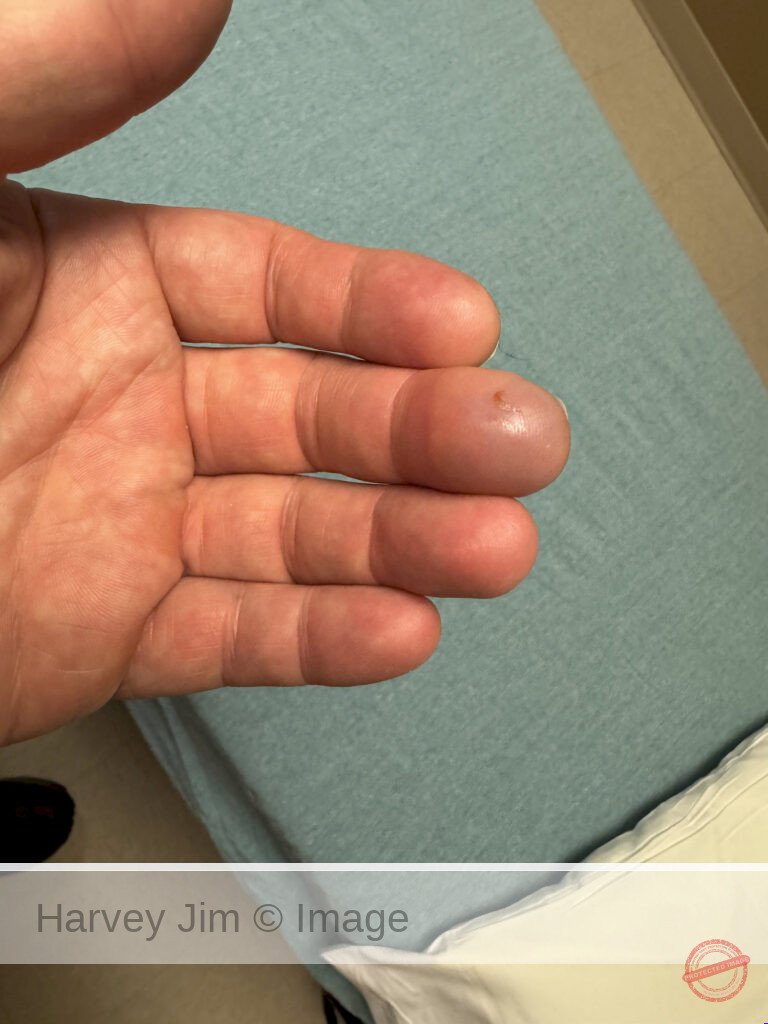
After that great, but bitch of a day, my hands were stark white, drained of all color, except for a few fingertips that were gray/redish and swollen and waxy stiff to the touch. Kyle delivered the diagnosis – “you have frostbite.” My fingers and the blood inside them had literally frozen. When Henry (the stylish wool wearing dog whisperer) disassembled my mitts and turned the liners inside out, there were ice crystals in them – likely from when I dumped the sled earlier in the week and failed to dry the liners. So, my hands had literally been in ice all day long. Had we been indoors, we could have tried to “thaw” them with controlled exposure to increasingly warmer water baths, but that is not possible out of doors with the temp at least 20 below zero, wind howling and simply no available circumstances that would permit a well calibrated thawing session. So we tried a combination of hovering over a camp stove and just putting them under my armpits and between my legs to warm them up, but they hurt like hell once they thawed a bit. Ginger joined me, which was undoubtedly the best therapy ever. I would gladly suffer another round of frostbite to be comforted by Ginger. The emergency room that I visited the next day formally diagnosed them as “second degree” burns (same scale as burns from a fire) and said “don’t pop the blisters”, so I didn’t.
It was a life changing trip for me and I think for several others. It certainly prepared me well for the Norway trip (where it was 15 degrees warmer on average), but it also further chiseled the stark beauty of deep winter and cold into my mind, right alongside the brutal reality that is life below zero. Cutting wood every morning and night for the fire and chopping holes in foot thick ice to access water are things that one cannot live without, but that doesn’t make them any easier. It does somehow make them more profound and crystalline. Driving a dog sled is one of the purest experiences one can hope to have, but it doesn’t come without constant work to help the dogs … all the time, every moment you are on the sled. It is not glamorous work, but it is a proud and humbling undertaking and one for which we are deeply grateful.
We are the Chosen Frozen.
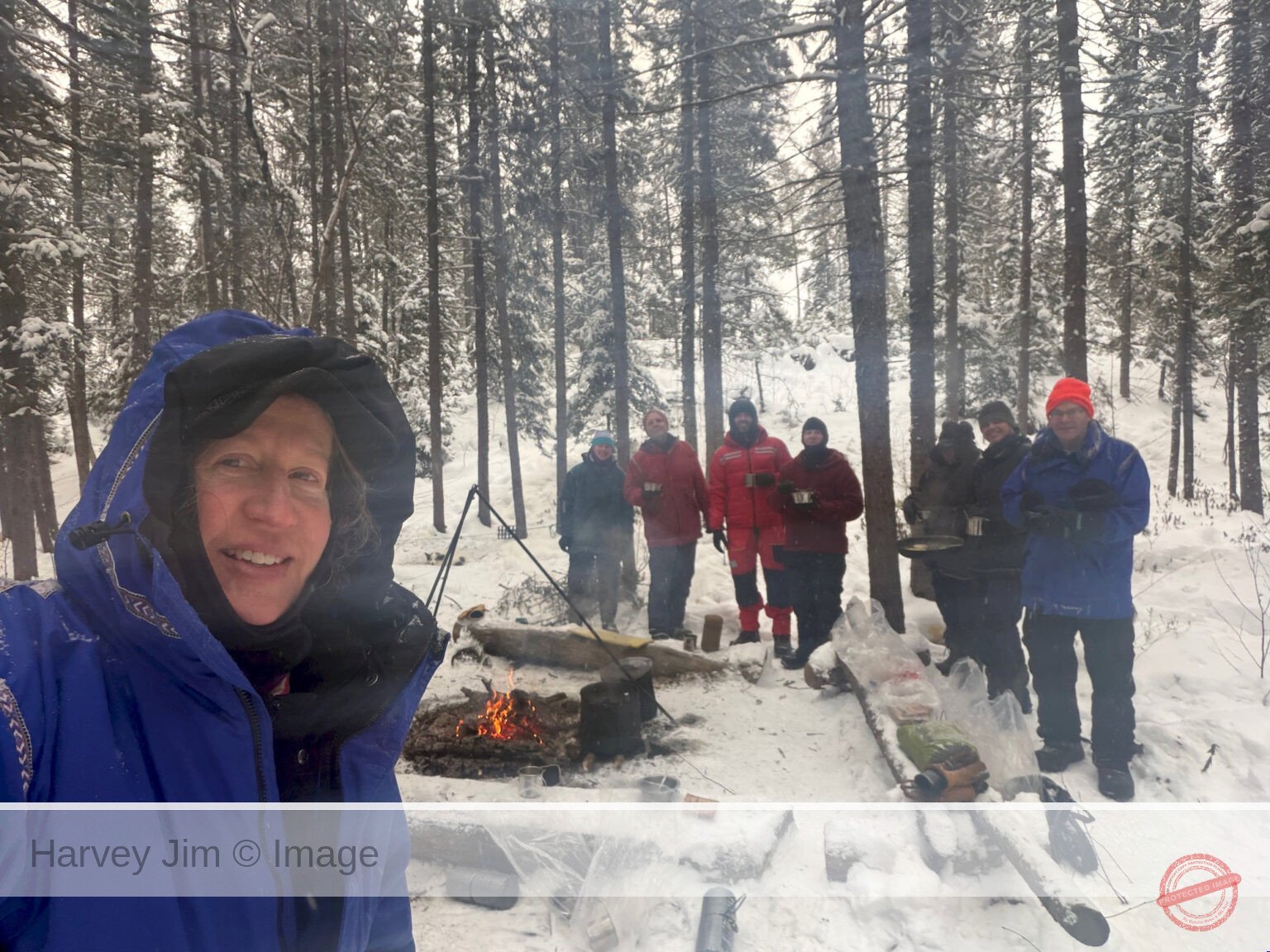
NB: I had a “real camera” with me on this trip, but was too busy trying to stay warm to even get it out. All photos and videos here are from the phones of The Chosen Frozen.